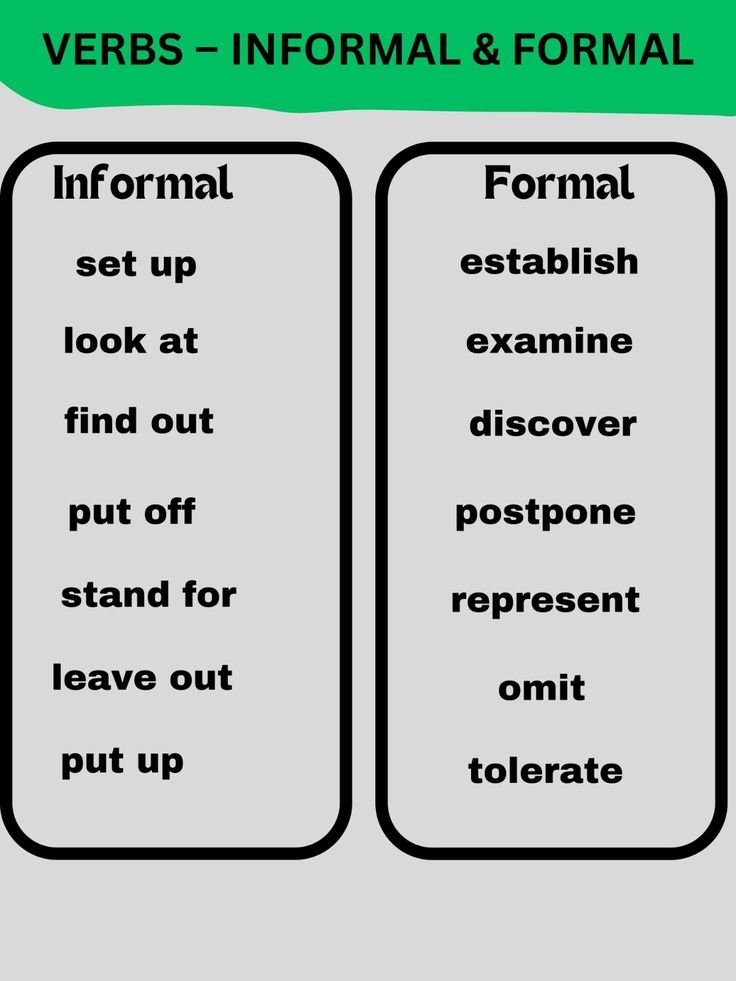
When you're learning Spanish, few words reveal the intricate dance of formality quite like "remove." It’s not just about knowing a verb; it's about mastering which verb, and how to conjugate it, to gracefully or decisively convey the action without causing an awkward pause or an accidental offense. This guide unpacks the essential formal vs. informal verbs for 'remove' in Spanish, transforming a potentially tricky concept into a clear roadmap for confident communication.
At a Glance: Key Takeaways for "Remove" in Spanish
- It's not one word: Unlike English, "remove" requires choosing from several Spanish verbs like quitar, sacar, eliminar, remover, and retirar, depending on the specific context.
- Formality matters: Your relationship with the person you're speaking to (friend vs. stranger/superior) dictates whether you use informal (tú) or formal (usted/ustedes) conjugations.
- Conjugation changes: The ground rules for verb endings shift significantly between tú and usted forms across all tenses.
- Common culprits: Quitar is the most versatile for general "taking off/away," while sacar implies "taking out/pulling out." Eliminar is for elimination, remover for physical displacement or stirring, and retirar for withdrawal or taking something out of service.
- Practice makes perfect: Understanding the nuances comes from seeing these verbs in action across various scenarios and tenses.
More Than Just "You": Why Formality is Your Compass in Spanish
Imagine calling your boss "dude" or your grandmother "bro." In English, such missteps might earn you a raised eyebrow. In Spanish, using the wrong level of formality can feel similarly jarring, or even disrespectful. This isn't about being stuffy; it's about navigating social relationships with politeness and precision.
The core of this distinction lies in how you address "you."
- Informal "You" (tú): This is for your inner circle – children, close friends, family, and anyone you know well. It fosters a sense of familiarity and closeness. Think of it as your linguistic shortcut to warmth and camaraderie.
- Formal "You" (usted / ustedes): Reserve usted (singular) and ustedes (plural) for individuals you don't know, strangers, elders, or professional colleagues. It conveys respect, especially in initial interactions or in more formal settings. This isn't just a linguistic choice; it's a cultural one, showing deference and good manners.
The fascinating part? This choice doesn't just stop at the pronoun. It ripples through your entire sentence, fundamentally changing how you conjugate your verbs. Each verb you use will take on a distinct form depending on whether you're speaking informally or formally. Understanding this distinction is paramount for genuine communication, especially when tackling a multi-faceted concept like "remove."
"Remove" is Not One Word: Unpacking the Spanish Verbs
Unlike English, where "remove" acts as a linguistic Swiss Army knife, Spanish offers a specialized toolkit. To truly master how to say 'remove' in Spanish with nuance and confidence, you need to understand that the verb you choose hinges entirely on the what and how of the removal. Are you taking off a jacket, pulling out a tooth, eliminating a problem, or stirring a pot? Each scenario calls for a different verb, and each of those verbs will then adopt its formal or informal conjugation.
Let's dive into the core verbs that commonly translate to "remove," exploring their distinct meanings and, crucially, how their forms shift based on formality.
1. Quitar: The General-Purpose "Take Off" or "Take Away"
Quitar is arguably the most common and versatile verb for "remove." It generally means "to take off," "to take away," "to remove" a physical object, or even "to remove" something abstract like pain or a habit. Think of it as the go-to for many everyday removal actions.
Common Uses:
- Taking off clothing/accessories: quitarse la chaqueta (to take off one's jacket).
- Removing an object from a surface: quitar el polvo de la mesa (to remove dust from the table).
- Taking away a pain or problem: quitar el dolor (to remove the pain).
- Removing an obstacle: quitar un impedimento (to remove an impediment).
Conjugation Spotlight: Quitar (AR verb)
Let's see how quitar changes with formality across key tenses. Remember, the subject pronoun (tú or usted) is often omitted when clear from context, but its presence dictates the verb ending.
| Tense | Informal (Tú) | Formal (Usted) | Notes |
| :-------------- | :--------------------------------------------------- | :--------------------------------------------------- | :----------------------------------------------------------------- |
| Present | Tú quitas (You remove/take off) | Usted quita (You remove/take off) | Informal ends in -as, formal in -a for AR verbs. |
| Example | ¿Por qué quitas la foto? (Why are you removing the photo?) | ¿Por qué quita la foto? (Why are you removing the photo?) | |
| Preterite | Tú quitaste (You removed) | Usted quitó (You removed) | Informal ends in -aste, formal in -ó for AR verbs. |
| Example | Quitaste el plato. (You removed the plate.) | Quitó el plato. (You removed the plate.) | |
| Imperfect | Tú quitabas (You used to remove/were removing) | Usted quitaba (You used to remove/were removing) | Informal ends in -abas, formal in -aba for AR verbs. |
| Example | Antes quitabas la ropa así. (Before, you used to take off clothes like that.) | Antes quitaba la ropa así. (Before, you used to take off clothes like that.) | |
| Future | Tú quitarás (You will remove) | Usted quitará (You will remove) | Add -ás for informal, -á for formal, directly to infinitive. |
| Example | Quitarás tu sombrero. (You will remove your hat.) | Quitará su sombrero. (You will remove your hat.) | |
| Conditional | Tú quitarías (You would remove) | Usted quitaría (You would remove) | Add -ías for informal, -ía for formal, directly to infinitive. |
| Example | Lo quitarías si pudieras. (You would remove it if you could.) | Lo quitaría si pudiera. (You would remove it if you could.) | |
| Present Perfect | Tú has quitado (You have removed) | Usted ha quitado (You have removed) | Uses haber (has/ha) + past participle (-ado for AR verbs). |
| Example | Has quitado la mancha. (You have removed the stain.) | Ha quitado la mancha. (You have removed the stain.) | |
| Past Perfect | Tú habías quitado (You had removed) | Usted había quitado (You had removed) | Uses imperfect haber (habías/había) + past participle (-ado). |
| Example | Ya habías quitado la pegatina. (You had already removed the sticker.) | Ya había quitado la pegatina. (You had already removed the sticker.) | |
Practical Scenarios for Quitar - Informal: ¡Quítate los zapatos! (Take off your shoes!) – Said to a child or friend.
- Formal: ¿Podría quitar estos documentos, por favor? (Could you remove these documents, please?) – Said to a colleague or assistant.
- Informal: Me quitaste un gran peso de encima. (You took a great weight off my shoulders.) – Said to a friend who helped you.
- Formal: Espero que esto le quite la preocupación. (I hope this removes your concern.) – Said to a client or patient.
2. Remover: For Physical Displacement, Stirring, or Removing Soil
While it sounds similar to English "remove," remover in Spanish often carries a more specific connotation of physically moving or displacing something, often soil, dirt, or ingredients (like stirring). It can also imply a more formal, thorough removal process.
Common Uses:
- Moving earth/soil: remover la tierra (to turn/stir the soil).
- Stirring liquids/food: remover la sopa (to stir the soup).
- Physically relocating something substantial: remover escombros (to remove debris).
- In a more formal/bureaucratic sense: remover a un empleado de su puesto (to remove an employee from their position).
Conjugation Spotlight: Remover (ER verb)
| Tense | Informal (Tú) | Formal (Usted) | Notes |
| :-------------- | :--------------------------------------------------- | :--------------------------------------------------- | :------------------------------------------------------------- |
| Present | Tú remueves (You remove/stir) | Usted remueve (You remove/stir) | Informal ends in -es, formal in -e for ER verbs (stem-changing). |
| Example | Siempre remueves la tierra. (You always turn the soil.) | Siempre remueve la tierra. (You always turn the soil.) | |
| Preterite | Tú removiste (You removed/stirred) | Usted removió (You removed/stirred) | Informal ends in -iste, formal in -ió for ER/IR verbs. |
| Example | Removiste la mezcla. (You stirred the mixture.) | Removió la mezcla. (You stirred the mixture.) | |
| Imperfect | Tú removías (You used to remove/were stirring) | Usted removía (You used to remove/were stirring) | Informal ends in -ías, formal in -ía for ER/IR verbs. |
| Example | Removías las hojas en otoño. (You used to remove the leaves in autumn.) | Removía las hojas en otoño. (You used to remove the leaves in autumn.) | |
| Future | Tú removerás (You will remove/stir) | Usted removerá (You will remove/stir) | Add -ás for informal, -á for formal, directly to infinitive. |
| Example | Removerás el café. (You will stir the coffee.) | Removerá el café. (You will stir the coffee.) | |
| Conditional | Tú removerías (You would remove/stir) | Usted removería (You would remove/stir) | Add -ías for informal, -ía for formal, directly to infinitive. |
| Example | No lo removerías sin guantes. (You wouldn't remove it without gloves.) | No lo removería sin guantes. (You wouldn't remove it without gloves.) | |
| Present Perfect | Tú has removido (You have removed/stirred) | Usted ha removido (You have removed/stirred) | Uses haber (has/ha) + past participle (-ido for ER/IR verbs). |
| Example | Has removido los cimientos. (You have moved the foundations.) | Ha removido los cimientos. (You have moved the foundations.) | |
| Past Perfect | Tú habías removido (You had removed/stirred) | Usted había removido (You had removed/stirred) | Uses imperfect haber (habías/había) + past participle (-ido). |
| Example | Ya habías removido la arena. (You had already removed the sand.) | Ya había removido la arena. (You had already removed the sand.) | |
Practical Scenarios for Remover - Informal: ¡Remueve la tierra para plantar esto! (Turn the soil to plant this!) – Said to a gardening friend.
- Formal: Es esencial que se remueva todo el material contaminado. (It is essential that all contaminated material be removed.) – In a professional report or instruction.
- Informal: No remuevas el tema. (Don't stir up the topic.) – Said to a friend about a sensitive subject.
- Formal: Señor, por favor, remueva la mezcla lentamente. (Sir, please stir the mixture slowly.) – Instruction to a cooking student.
3. Eliminar: To Eliminate, Discard, or Remove an Obstacle (Permanently)
Eliminar aligns closely with the English "to eliminate," "to get rid of," or "to suppress." It suggests a more decisive and often permanent removal, whether it's a problem, a person (in a very specific context), data, or waste.
Common Uses:
- Solving problems/obstacles: eliminar un error (to eliminate an error).
- Deleting data/information: eliminar archivos (to delete files).
- Discarding waste: eliminar residuos (to eliminate waste).
- Removing competition/threats: eliminar la competencia (to eliminate the competition).
Conjugation Spotlight: Eliminar (AR verb)
Since eliminar is an AR verb, its conjugation patterns for formal and informal "you" will follow the same rules as quitar.
| Tense | Informal (Tú) | Formal (Usted) |
| :-------------- | :--------------------------------------------------- | :--------------------------------------------------- |
| Present | Tú eliminas (You eliminate) | Usted elimina (You eliminate) |
| Example | Eliminas los correos viejos. (You delete old emails.) | Elimina los correos viejos. (You delete old emails.) |
| Preterite | Tú eliminaste (You eliminated) | Usted eliminó (You eliminated) |
| Example | Eliminaste el problema. (You eliminated the problem.) | Eliminó el problema. (You eliminated the problem.) |
| Imperfect | Tú eliminabas (You used to eliminate) | Usted eliminaba (You used to eliminate) |
| Example | Siempre eliminabas esa parte. (You always used to eliminate that part.) | Siempre eliminaba esa parte. (You always used to eliminate that part.) |
| Future | Tú eliminarás (You will eliminate) | Usted eliminará (You will eliminate) |
| Example | Eliminarás tus dudas. (You will eliminate your doubts.) | Eliminará sus dudas. (You will eliminate your doubts.) |
| Conditional | Tú eliminarías (You would eliminate) | Usted eliminaría (You would eliminate) |
| Example | Eliminarías el riesgo si pudieras. (You would eliminate the risk if you could.) | Eliminaría el riesgo si pudiera. (You would eliminate the risk if you could.) |
| Present Perfect | Tú has eliminado (You have eliminated) | Usted ha eliminado (You have eliminated) |
| Example | Has eliminado todas las pistas. (You have eliminated all clues.) | Ha eliminado todas las pistas. (You have eliminated all clues.) |
| Past Perfect | Tú habías eliminado (You had eliminated) | Usted había eliminado (You had eliminated) |
| Example | Habías eliminado esa opción. (You had eliminated that option.) | Había eliminado esa opción. (You had eliminated that option.) |
Practical Scenarios for Eliminar - Informal: ¡Elimina esas fotos de tu teléfono! (Delete those photos from your phone!) – To a friend.
- Formal: Necesitamos eliminar los cuellos de botella del proceso. (We need to eliminate the bottlenecks from the process.) – In a business meeting.
- Informal: Con esa dieta, eliminas todas las grasas. (With that diet, you eliminate all fats.) – Talking to a health-conscious friend.
- Formal: El sistema elimina automáticamente los datos antiguos. (The system automatically eliminates old data.) – Explaining a process.
4. Retirar: To Withdraw, Remove from Service, or Take Away (with more formality)
Retirar implies a more formal or deliberate act of removal, often meaning "to withdraw," "to pull back," "to remove from circulation/service," or "to retire." It's frequently used in financial, military, or formal contexts.
Common Uses:
- Withdrawing money: retirar dinero del banco (to withdraw money from the bank).
- Removing troops/forces: retirar las tropas (to withdraw troops).
- Taking an item off a shelf/from display: retirar un producto (to remove a product).
- Retiring from a job: retirarse del trabajo (to retire from work - reflexive).
Conjugation Spotlight: Retirar (AR verb)
Like quitar and eliminar, retirar follows the standard AR verb conjugation patterns for formal and informal "you."
| Tense | Informal (Tú) | Formal (Usted) |
| :-------------- | :--------------------------------------------------- | :--------------------------------------------------- |
| Present | Tú retiras (You withdraw/remove) | Usted retira (You withdraw/remove) |
| Example | Retiras los fondos. (You withdraw the funds.) | Retira los fondos. (You withdraw the funds.) |
| Preterite | Tú retiraste (You withdrew/removed) | Usted retiró (You withdrew/removed) |
| Example | Retiraste la solicitud. (You withdrew the application.) | Retiró la solicitud. (You withdrew the application.) |
| Imperfect | Tú retirabas (You used to withdraw/remove) | Usted retiraba (You used to withdraw/remove) |
| Example | Retirabas tus ahorros poco a poco. (You used to withdraw your savings little by little.) | Retiraba sus ahorros poco a poco. (You used to withdraw your savings little by little.) |
| Future | Tú retirarás (You will withdraw/remove) | Usted retirará (You will withdraw/remove) |
| Example | Retirarás tu oferta. (You will withdraw your offer.) | Retirará su oferta. (You will withdraw your offer.) |
| Conditional | Tú retirarías (You would withdraw/remove) | Usted retiraría (You would withdraw/remove) |
| Example | Lo retirarías de la venta. (You would remove it from sale.) | Lo retiraría de la venta. (You would remove it from sale.) |
| Present Perfect | Tú has retirado (You have withdrawn/removed) | Usted ha retirado (You have withdrawn/removed) |
| Example | Has retirado la mercancía. (You have withdrawn the merchandise.) | Ha retirado la mercancía. (You have withdrawn the merchandise.) |
| Past Perfect | Tú habías retirado (You had withdrawn/removed) | Usted había retirado (You had withdrawn/removed) |
| Example | Ya habías retirado tu apoyo. (You had already withdrawn your support.) | Ya había retirado su apoyo. (You had already withdrawn your support.) |
Practical Scenarios for Retirar - Informal: ¿Cuánto dinero retiras cada mes? (How much money do you withdraw each month?) – To a friend discussing finances.
- Formal: Le rogamos retire el vehículo de la zona de carga. (We request that you remove the vehicle from the loading zone.) – A sign or formal instruction.
- Informal: ¿No te vas a retirar de ese club? (Aren't you going to withdraw from that club?) – Asking a friend about their plans.
- Formal: La empresa se retirará del mercado asiático. (The company will withdraw from the Asian market.) – A business announcement.
5. Sacar: To Take Out, Pull Out, or Extract
Sacar is used when something is being taken out from within something else, or pulled out. It implies extraction or drawing something forth.
Common Uses:
- Taking something out of a bag/pocket/container: sacar la cartera (to take out the wallet).
- Pulling out a tooth/splinter: sacar una muela (to pull out a tooth).
- Taking out the trash: sacar la basura (to take out the trash).
- Getting a good grade: sacar una buena nota (to get a good grade - "pull out" a good performance).
- Drawing conclusions: sacar conclusiones (to draw conclusions).
Conjugation Spotlight: Sacar (AR verb with a spelling change in Preterite)
Sacar is an AR verb, so it follows the general patterns. However, like many verbs ending in -car, -gar, -zar, it has a spelling change in the tú and usted preterite to maintain the hard 'c' sound (c becomes qu).
| Tense | Informal (Tú) | Formal (Usted) | Notes |
| :-------------- | :--------------------------------------------------- | :--------------------------------------------------- | :----------------------------------------------------------------- |
| Present | Tú sacas (You take out/pull out) | Usted saca (You take out/pull out) | Informal ends in -as, formal in -a for AR verbs. |
| Example | Sacas las llaves. (You take out the keys.) | Saca las llaves. (You take out the keys.) | |
| Preterite | Tú sacaste (You took out/pulled out) | Usted sacó (You took out/pulled out) | Spelling change: 'c' becomes 'qu' before 'e' in usted form to preserve hard 'k' sound. |
| Example | Sacaste el libro. (You took out the book.) | Sacó el libro. (You took out the book.) | |
| Imperfect | Tú sacabas (You used to take out/were taking out) | Usted sacaba (You used to take out/were taking out) | Informal ends in -abas, formal in -aba for AR verbs. |
| Example | Siempre sacabas la basura. (You always used to take out the trash.) | Siempre sacaba la basura. (You always used to take out the trash.) | |
| Future | Tú sacarás (You will take out/pull out) | Usted sacará (You will take out/pull out) | Add -ás for informal, -á for formal, directly to infinitive. |
| Example | Sacarás el perro a pasear. (You will take the dog for a walk.) | Sacará el perro a pasear. (You will take the dog for a walk.) | |
| Conditional | Tú sacarías (You would take out/pull out) | Usted sacaría (You would take out/pull out) | Add -ías for informal, -ía for formal, directly to infinitive. |
| Example | Sacarías la espina si pudieras. (You would pull out the thorn if you could.) | Sacaría la espina si pudiera. (You would pull out the thorn if you could.) | |
| Present Perfect | Tú has sacado (You have taken out/pulled out) | Usted ha sacado (You have taken out/pulled out) | Uses haber (has/ha) + past participle (-ado for AR verbs). |
| Example | Has sacado buenas notas. (You have gotten good grades.) | Ha sacado buenas notas. (You have gotten good grades.) | |
| Past Perfect | Tú habías sacado (You had taken out/pulled out) | Usted había sacado (You had taken out/pulled out) | Uses imperfect haber (habías/había) + past participle (-ado). |
| Example | Habías sacado la información. (You had taken out the information.) | Había sacado la información. (You had taken out the information.) | |
Practical Scenarios for Sacar - Informal: ¡Saca la lengua! (Stick out your tongue!) – To a child.
- Formal: ¿Podría sacar las copias del informe? (Could you take out the copies of the report?) – To a colleague.
- Informal: ¿Qué sacaste de la reunión? (What did you get/take away from the meeting?) – Asking a friend.
- Formal: Es crucial sacar el máximo provecho de esta oportunidad. (It is crucial to make the most of this opportunity.) – In a formal discussion.
Beyond the Basics: Nuance and Specificity
While the five verbs above cover the vast majority of "remove" scenarios, Spanish, with its rich vocabulary, offers even more specific options for particular contexts. These are often less common for general "remove" but are valuable for precise expression:
- Despojar: To strip, to divest, to dispossess. Used when removing possessions or status, often forcefully.
- Despojaron al rey de su corona. (They stripped the king of his crown.)
- Apartar: To separate, to set aside, to move away. Implies moving something to a different place rather than complete elimination.
- Aparte esa silla. (Move that chair aside.)
- Sustraer: To subtract, to abstract, to steal. Often implies taking something surreptitiously or unlawfully.
- Sustrajo dinero de la caja. (He stole money from the till.)
- Extirpar: To extirpate, to surgically remove (a growth, an organ). A medical term.
- Extirparon el tumor. (They extirpated the tumor.)
These verbs, too, will follow the same formal/informal conjugation patterns based on their -AR, -ER, or -IR endings, always adapting to whether you're addressing tú or usted.
Making the Right Call: When to Use Which Verb (and Form)
Choosing the correct "remove" verb and its appropriate formal or informal conjugation might seem daunting, but it becomes intuitive with practice. Here’s a quick decision framework:
- Identify the relationship: Is it tú or usted/ustedes? This is your first, non-negotiable step, dictating the verb ending.
- What kind of "remove" is it?
- General "take off/away" (clothing, dust, pain)? -> Quitar
- Physical displacement, stirring, or moving earth? -> Remover
- Elimination, deletion, permanent riddance? -> Eliminar
- Withdrawal, formal removal from service, taking back? -> Retirar
- Taking out from within, extracting, pulling out? -> Sacar
- Consider the tense: Are you talking about now, the past, future, or a hypothetical? This guides your specific conjugation.
Common Pitfalls to Avoid:
- Overusing quitar: While versatile, quitar isn't always the most precise. Saying quitar un tumor is technically understandable but extirpar un tumor is surgically accurate.
- Ignoring formality: Using tú with a stranger, or vice-versa, can create an awkward social dynamic. When in doubt, lean towards usted. It's better to be overly polite than inadvertently rude.
- Literal translation: Don't assume a one-to-one translation from English. "Remove your doubts" isn't quitar tus dudas but more naturally eliminar tus dudas.
Putting It All Together: Practice Scenarios
Let's look at how these verbs and their formality play out in common situations.
Scenario 1: Asking someone to take off their coat.
- Informal (to a friend): ¿Por qué no te quitas el abrigo? (Why don't you take off your coat? - quitarse is reflexive here)
- Formal (to a guest): Señor/Señora, ¿le gustaría quitarse el abrigo? (Sir/Madam, would you like to take off your coat?)
Scenario 2: Talking about removing a document. - Informal (to a colleague you know well): ¿Ya quitaste ese documento de la carpeta? (Did you already remove that document from the folder? - Preterite)
- Formal (to your boss): Señora, ¿ha eliminado el documento obsoleto? (Madam, have you eliminated the obsolete document? - Present Perfect, implying permanent removal)
Scenario 3: Discussing taking out the trash. - Informal (to a family member): Por favor, saca la basura antes de irte. (Please, take out the trash before you leave. - Informal command)
- Formal (to a hotel staff member): ¿Podría usted sacar la basura de mi habitación, por favor? (Could you take out the trash from my room, please?)
Scenario 4: Talking about removing an obstacle. - Informal (to a teammate): Si eliminamos este problema, será más fácil. (If we eliminate this problem, it will be easier.)
- Formal (to a client): La estrategia eliminará el riesgo financiero. (The strategy will eliminate the financial risk. - Future tense)
Common Questions & Misconceptions
"Is there a single best verb for 'remove'?"
No, absolutely not! This is the core message of this article. Relying on one verb like quitar will limit your precision and can lead to awkward phrasing. Embrace the variety to sound more natural and accurate.
"Do all verbs follow the same formal/informal conjugation pattern?"
Yes, the tú vs. usted distinctions (e.g., -as vs. -a for AR verbs in the present tense, -aste vs. -ó for AR verbs in the preterite) are consistent across all verbs in Spanish, regardless of their meaning. Once you learn the patterns for AR, ER, and IR verbs in each tense, you can apply them to any verb. The ground truth research you've seen outlines these fundamental conjugation principles.
"What if I make a mistake with formality or verb choice?"
Don't panic! Most native speakers are understanding of learners. If you use tú instead of usted or pick a slightly less precise verb, they'll likely correct you gently or simply understand from context. The goal isn't immediate perfection, but continuous improvement and a willingness to learn from your interactions.
Your Next Step to Spanish Fluency
Mastering formal vs. informal verbs for "remove" is more than just a linguistic exercise; it's a step towards deeper cultural understanding and more effective communication in Spanish. By diligently choosing the right verb for the context and applying the appropriate formal or informal conjugation, you'll navigate conversations with greater confidence and respect.
Your actionable next step? Start noticing these verbs in the wild. Listen for them in movies, read them in articles, and actively try to incorporate them into your own Spanish conversations. Pay attention to who is speaking to whom, and what type of "removal" is being discussed. With consistent practice, these distinctions will become second nature, allowing you to articulate your thoughts with the precision of a native speaker and the grace of a seasoned communicator.