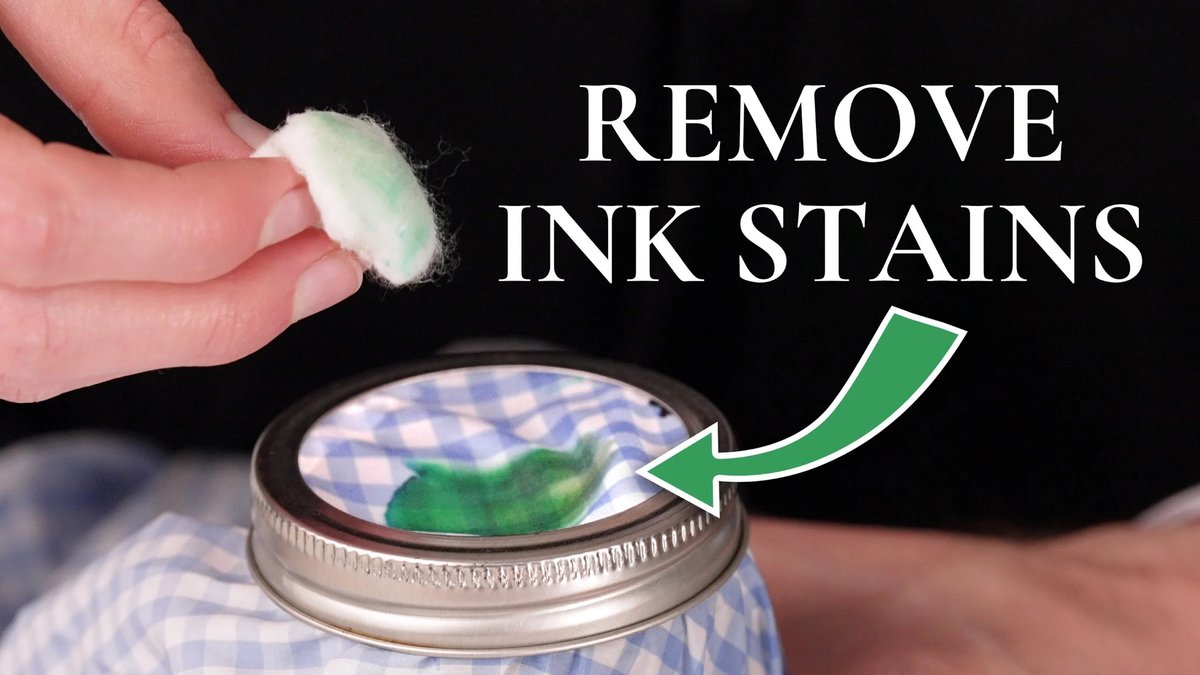
When you're navigating a new language, especially in unexpected situations, the ability to clearly communicate can be a lifesaver. Imagine you've spilled coffee on a friend's white shirt in Madrid, or perhaps you need to describe a persistent grease mark on a rental car's upholstery in Mexico City. Knowing how to articulate "Removing Physical Objects & Stains in Spanish" isn't just about vocabulary; it's about understanding the nuances of verbs that help you clean up messes, literally and figuratively.
This isn't merely a list of words; it's your comprehensive guide to confidently tackling spills, smudges, and unwanted items in Spanish-speaking environments. We'll dive into the specific verbs and phrases that equip you to handle everything from a stubborn wine stain to asking someone to take out the trash.
At a Glance: Your Quick Cleanup Cheat Sheet
- Core Verbs:
Quitaris your versatile go-to for general removal.Removerimplies a more active, often thorough removal, especially for stains.Eliminarmeans to eliminate completely, whileSacaris used for taking something out or off. - Stains: The word for "stain" is
mancha. You'llquitar una mancha(remove a stain). - Physical Objects: Use
sacarfor taking objects out (e.g.,sacar la basura– take out the trash) andquitarfor removing objects from a surface or position (e.g.,quitar el libro de la mesa– remove the book from the table). - Speed is Key: Just like in English,
Actúa rápido antes de que se incruste(Act fast before it sets in) is crucial advice for stain removal. - Tools & Agents: Be familiar with terms like
esponja(sponge),detergente(detergent),blanqueador(bleaching agent),bicarbonato de sodio(baking soda), andvinagre blanco(white vinegar). - Avoid Harshness: Steer clear of
abrasivos fuertes(strong abrasives) orrascadores(scrapers) for most stain removal.
Beyond "Remove": Unpacking Spanish Verbs for Clearing Up
In English, "remove" is quite versatile. In Spanish, however, you'll find a spectrum of verbs, each carrying a subtle difference in meaning and appropriate usage. Choosing the right verb demonstrates not just vocabulary, but a deeper understanding of the language. Let's break down the key players.
Quitar: Your Everyday Workhorse
If you only learn one verb for "remove," make it quitar. It’s the most common and versatile, used for a wide array of situations, from taking off clothing to wiping away dirt. Think of quitar as "to take off," "to take away," or "to remove" in a general sense.
- General removal of objects:
Quita el vaso de la mesa.(Remove the glass from the table.)Quítate los zapatos.(Take off your shoes.)- Removing dirt, dust, or light smudges:
Voy a quitar el polvo de los muebles.(I'm going to dust the furniture / remove the dust from the furniture.)Necesito quitar esa marca de mi coche.(I need to remove that mark from my car.)- Removing minor stains: While other verbs are more specific,
quitarcan often be used for lighter, more straightforward stain removal. ¿Puedes ayudarme a quitar esta mancha de café?(Can you help me remove this coffee stain?)
Remover: The Active, Often Thorough Approach
While quitar is passive in its implication (just "taking off"), remover often implies a more active, deliberate, or thorough process, especially when dealing with stubborn or embedded elements. It’s frequently used in the context of deep cleaning or serious stain removal.
- Stubborn stains or residues:
Es difícil remover las manchas de aceite de la ropa.(It's difficult to remove oil stains from clothes.)Este producto es excelente para remover la suciedad incrustada.(This product is excellent for removing ingrained dirt.)- Removing layers or coatings:
Hay que remover la pintura vieja antes de aplicar la nueva.(You have to remove the old paint before applying the new one.)
It's worth noting thatremoveris also a common choice in more formal or technical contexts, such as cleaning product instructions. For a deeper dive into all the ways to express "remove" in Spanish, including more specialized verbs, you might find this guide helpful: How to say remove in Spanish.
Eliminar: To Eradicate, To Get Rid Of Completely
When you want to emphasize the complete and utter eradication of something – be it a stain, an odor, or a problem – eliminar is your verb. It's stronger than quitar or remover and implies a permanent solution.
- Complete stain eradication:
Este blanqueador elimina las manchas más difíciles en telas blancas.(This bleaching agent eliminates the toughest stains on white fabrics.)Queremos eliminar las manchas y olores de la ropa de gimnasio.(We want to eliminate stains and odors from workout clothes.)- Removing germs or problems:
El desinfectante elimina gérmenes incluso a bajas concentraciones.(The disinfectant eliminates germs even at low concentrations.)
Sacar: To Take Out, To Extract
Sacar specifically means "to take out," "to pull out," or "to extract." It implies moving something from an inside to an outside location, or from a contained space.
- Taking something out of a container or enclosed space:
Por favor, saca la basura.(Please, take out the trash.)Saca la comida del horno.(Take the food out of the oven.)- Pulling something out:
Hay que sacar la astilla de tu dedo.(We have to pull the splinter out of your finger.)- Drawing out a quality or information:
Intenté sacar la verdad de él.(I tried to draw the truth out of him.)
Borrar: To Erase, To Wipe Out
While not for physical objects in the same way, borrar is crucial for "removing" marks, text, or data that are meant to be erased.
- Erasing marks or text:
Borra esa mancha de lápiz de la pared.(Erase that pencil mark from the wall.)Necesito borrar un error en el documento.(I need to erase a mistake in the document.)- Deleting data:
Borré accidentalmente mis fotos.(I accidentally deleted my photos.)
Tackling Stains: Verbs and Nouns for Spotless Spanish
Stains (manchas) are a common nuisance, and knowing how to talk about them in Spanish is incredibly practical. Let’s look at specific contexts and how to apply our verbs.
The Universal Mancha and Its Verb Companions
The word for "stain" is mancha. When you're talking about removing one, quitar una mancha is your most straightforward phrase. Remover una mancha or eliminar una mancha adds a sense of effort or thoroughness.
- Common Stain Types:
Mancha de café(coffee stain)Mancha de vino(wine stain)Mancha de grasa / aceite(grease / oil stain)Mancha de tinta(ink stain)Mancha de barro(mud stain)Mancha de comida(food stain)Mancha de cosméticos(cosmetics stain)
Stain Removal by Surface or Item: Practical Applications
Understanding which products and methods work best is universal, but communicating it in Spanish requires specific vocabulary.
Clothing (Ropa) & Fabrics (Tejidos)
This is perhaps where you'll encounter stains most often.
- General Approach:
Quitar manchas de la ropa(Remove stains from clothes). - For white fabrics:
Un blanqueador es esencial para quitar manchas de telas blancas.(A bleaching agent is essential for removing stains from white fabric.) - Workout Clothes:
Hay productos útiles para refrescar y eliminar manchas y olores de la ropa de gimnasio.(Certain products are useful for freshening and removing stains and odors from workout clothes.) - Heavy Duty:
El biodetergente es potente, especialmente para la ropa blanca.(Bio detergent is powerful, especially for white clothes.) For heavily soiled items,DomoWash PE es un detergente fuerte.(DomoWash PE is a strong laundry detergent.) - Organic Stains:
Los detergentes con oxígeno activo son eficaces para manchas orgánicas en fibras naturales o sintéticas.(Detergents with active oxygen are effective for organic stains in natural or synthetic fibers.) - Soaking Solutions: You can
remojar telas en agua con bórax, jugo de limón, peróxido de hidrógeno, o vinagre blanco.(Soak fabrics in water mixed with borax, lemon juice, hydrogen peroxide, or white vinegar.)
Floors (Suelos) & Internal Surfaces (Superficies Interiores)
Keeping surfaces clean is a constant battle, and knowing how to describe removing various marks is key.
- Basic Cleaning:
Usa un paño húmedo y jabón suave o detergente para quitar manchas.(Use a damp cloth and mild soap or detergent to remove stains.) Themovimiento de cepillado ayuda a remover las manchas.(Brushing motion itself helps remove stains.) - Stubborn Floor Stains:
Una pasta de agua y bicarbonato de sodio sirve para fregar.(A paste of water and baking soda can be used to scrub.) - General Floor Cleaners:
Se recomiendan productos de limpieza de suelos ordinarios diluidos en agua tibia.(Ordinary floor cleaning products diluted in warm water are recommended.) Avoidproductos de limpieza aceitosos.(oily cleaning products.) - Specific Floor Products:
HARO Superwax se recomienda para manchas o retoques en el suelo.(HARO Superwax is recommended for floor stains or touch-ups.) - Porcelain Tile:
Debido a su baja porosidad y dureza, es muy fácil quitar todo tipo de manchas del azulejo de porcelana.(Due to its low porosity and hardness, it is very easy to remove all kinds of stains from porcelain tile.)
Teeth (Dientes) & Dentures (Prótesis Dentales)
Hygiene is important everywhere, and dental care is no exception.
- Teeth Whitening:
El blanqueamiento dental implica una solución a base de peróxido para remover manchas y decoloración.(Teeth whitening involves a peroxide-based solution to remove stains and discoloration.) - Deeper Cleaning:
Un tratamiento profundo puede remover manchas de la dentina.(In-depth treatment can remove stains from the dentine.) - Denture Care:
Limpia las prótesis dentales a fondo diariamente para remover manchas, residuos y placa.(Clean dentures thoroughly daily to remove stains, debris, and plaque.)
Glass (Cristal)
Smudges and stains on glass can be particularly noticeable.
Quita las manchas del cristal con un paño limpio y alcohol para evitar que se quemen en el vidrio.(Remove stains from the glass with a clean cloth and alcohol to prevent them from burning into the glass.)
Tough Stains: Paint, Asphalt, Oil, Glue, Tar, Grease
Some stains require more aggressive, yet still appropriate, solutions.
- Signaling Paint, Asphalt, Oil:
Para pintura de señalización, asfalto o aceite, usa queroseno o bencina.(For signaling paint, asphalt or oil, use kerosene or benzine.) - Glue (Urethane, Epoxy), Tar, Grease:
Un limpiador altamente concentrado y listo para usar a base de solvente es eficaz para quitar pegamento, alquitrán o grasa y no deja rastros.(A highly concentrated, ready-to-use cleaner on a solvent base is effective for removing glue, tar, or grease and leaves no traces.) - Versatile Cleaner:
La acetona es muy versátil para limpiar y quitar manchas.(Acetone is highly versatile for cleaning and stain removal.)
Other Specific Scenarios
- White Coats:
Perfecto para quitar manchas de batas blancas.(Perfect for removing stains from white coats.) - Non-porous Substances:
Se afirma que el protector solar es eficaz para quitar manchas de sustancias no porosas.(Sunscreen is claimed to be effective for removing stains from non-porous substances.) - Projection Screens:
Usa un paño húmedo y un producto de limpieza a base de jabón para la tela de la pantalla de proyección.(Use a damp cloth and a soap-based cleaning product for projection screen fabric.) - Camera/Lens:
Limpia con un paño limpio sin pelusa para quitar manchas y huellas dactilares.(Wipe with a clean lint-free cloth to remove stains and fingerprints.) - Sinks and Tubs:
Las manchas en lavabos y bañeras se pueden quitar.(Stains in sinks and tubs can be removed.)
Dealing with Physical Objects: Getting Things Out, Off, or Away
Beyond stains, you might need to remove actual physical items. Here, sacar and quitar are your main verbs, depending on the context.
Sacar for Extracting or Taking Out
Remember, sacar implies moving something from an enclosed space or taking it out of something.
- Taking out trash:
¿Puedes sacar la basura, por favor?(Can you take out the trash, please?) - Taking something out of a bag/box:
Saca el libro de la mochila.(Take the book out of the backpack.) - Removing an ingredient:
Hay que sacar los huesos de las cerezas.(You have to remove the pits from the cherries.)
Quitar for Removing from a Surface or Position
Quitar is used when you're taking something off a surface, or simply removing it from its current position.
- Removing an item from a table/shelf:
Quita los platos sucios de la mesa.(Remove the dirty dishes from the table.) - Taking down decorations:
Vamos a quitar las decoraciones de Navidad.(We are going to remove the Christmas decorations.) - Removing a protective cover:
Quita la tapa protectora.(Remove the protective cover.)
Essential Phrases for Stain & Object Removal Scenarios
Having the right verbs is a great start, but stringing them into complete, useful sentences is where true fluency shines.
Asking for Help or Instructions
¿Cómo puedo quitar esta mancha?(How can I remove this stain?)¿Con qué producto puedo remover esto?(With what product can I remove this?)¿Puedes ayudarme a sacar esto?(Can you help me take this out?)¿Qué me recomiendas para eliminar el olor?(What do you recommend for eliminating the odor?)Necesito algo para quitar las marcas.(I need something to remove the marks.)
Giving Instructions or Explanations
Usa una esponja limpia para quitar las manchas.(Use a clean sponge for removing stains.)Quita las manchas antes de que se incrusten.(Remove stains before they become engrained.)Aplica el producto sobre la mancha y frota suavemente.(Apply the product on the stain and rub gently.)No uses abrasivos fuertes para remover esto.(Do not use strong abrasives to remove this.)Es fácil remover todo tipo de manchas de esta superficie.(It's very easy to remove all kinds of stains from this surface.)Seca la alfombra antes de intentar quitar la mancha.(Ensure the carpet is dry before attempting stain removal.)
Describing the Problem
Hay una mancha de vino tinto aquí.(There's a red wine stain here.)Esta mancha de grasa no quiere salir.(This grease stain doesn't want to come out.)Necesito quitar esto de la pared.(I need to remove this from the wall.)Las manchas causadas por la contaminación son difíciles de quitar.(Stains caused by pollution are difficult to remove.)
Specialized Removal: When to Call in the Experts (and How to Ask)
Sometimes, a stain or object removal task is beyond a DIY fix. Knowing when to consult professionals and how to articulate that need in Spanish is invaluable.
Recognizing When to Seek Professional Help
- Upholstery and Leather:
Para tapicería y cuero, consulta servicios extra para una eliminación de manchas especializada.(For upholstery and leather, consult extra services for specialized stain removal.) These materials are delicate and often require specific techniques to avoid damage. - Deep-set or Unknown Stains: If you've tried common methods and the stain persists, or if you're unsure of its origin, a professional can assess and treat it without causing further damage.
- Valuable or Irreplaceable Items: When dealing with sentimental items or high-value goods, always err on the side of caution and consult an expert.
- Surface Repair:
Todas las superficies se pueden reparar para obtener un brillo similar a un espejo y quitar manchas y arañazos en los suelos pulidos.(All surfaces can be repaired to obtain a mirror-like shine and remove stains and scratches on polished floors.) This often requires professional equipment and expertise.
Phrases for Engaging Professionals
Necesito un servicio especializado para quitar esta mancha de mi sofá.(I need a specialized service to remove this stain from my sofa.)¿Ofrecen servicios de limpieza de tapicería?(Do you offer upholstery cleaning services?)¿Pueden eliminar manchas difíciles de alfombras?(Can you remove difficult stains from carpets?)¿Tiene experiencia con la eliminación de manchas en cuero?(Do you have experience with leather stain removal?)Me gustaría reparar este suelo y quitar estas manchas.(I would like to repair this floor and remove these stains.)
Pitfalls to Avoid: Common Mistakes in Spanish Removal (and in practice)
Just as there are best practices, there are also common missteps to sidestep, both in your approach to cleaning and in your Spanish communication.
The Dangers of Harsh Methods
No uses abrasivos fuertes o rascadores para quitar manchas.(Do NOT use strong abrasives or scrapers for stain removal.) This is critical advice across all surfaces, as these can permanently damage the material.- Incorrect Product Application: Using the wrong cleaning agent can set a stain further or damage the material. For instance,
no se deben usar productos de limpieza aceitosos en ciertos suelos(oily cleaning products should not be used on certain floors) as they can leave residues. - Ignoring Material Type:
Solamente los productos teñidos en solución se pueden limpiar agresivamente para quitar manchas sin dañar el color.(Only solution dyed products can be aggressively cleaned to remove stains without damaging color.) Always consider the material.
The Cost of Delay
Quita las manchas *antes* de que se incrusten.(Remove stains before they become engrained.) This cannot be stressed enough. Fresh stains are always easier to treat. Once they dry or soak in, they become significantly harder to remove.
Communication Errors
- Using the Wrong Verb: While
quitaris versatile, usingremoverfor a very light smudge might sound overly dramatic, and usingquitarfor deeply embedded grime might not convey the severity. Choosing the right verb (as discussed earlier) adds precision. - Assuming Product Knowledge: Don't assume the person you're speaking with knows the specific product you're referring to. Be prepared to describe the type of product or its function (e.g.,
un blanqueador para ropa blanca– a bleaching agent for white clothes). - Misidentifying the Stain: Correctly identifying the
mancha de caféversus amancha de grasacan make all the difference in receiving the right advice or product recommendation.
Your Go-To Glossary for Cleanup in Spanish
Here's a quick reference for key terms you'll encounter when dealing with removal and cleaning.
| English Term | Spanish Term | Context |
|---|---|---|
| To remove (general) | Quitar | Most common, versatile (take off, take away) |
| To remove (thoroughly) | Remover | More active, for stubborn stains, residues |
| To eliminate | Eliminar | To get rid of completely, eradicate (stains, odors) |
| To take out / extract | Sacar | From an inside space, pull out (trash, splinter) |
| To erase | Borrar | For marks, text, data |
| Stain | La mancha | The mark itself |
| Dirt / Filth | La suciedad / La mugre | General dirtiness, grime |
| Odor | El olor | Unpleasant smell |
| Sponge | La esponja | Cleaning tool |
| Cloth | El paño | Cleaning cloth |
| Detergent | El detergente | General cleaning agent |
| Bleach / Bleaching agent | El blanqueador | For whitening, removing color from stains |
| Baking soda | El bicarbonato de sodio | Common household cleaner, abrasive paste |
| White vinegar | El vinagre blanco | Cleaning agent, deodorizer |
| Hydrogen peroxide | El peróxido de hidrógeno | Disinfectant, whitener |
| Solvent | El disolvente | For dissolving certain substances (glue, paint) |
| Abrasive | El abrasivo | Rough material for scrubbing |
| Scraper | El rascador | Tool for scraping off material |
| To scrub | Fregar | To clean vigorously, often with a brush/sponge |
| To wipe | Limpiar / Frotar | To clean with a cloth, rub |
| To soak | Remojar | To immerse in liquid |
| To set (a stain) | Incrustarse | When a stain becomes embedded or permanent |
| Heavily soiled | Muy sucio / Fuertemente sucio | Very dirty |
| Non-porous | No poroso | Material that does not absorb liquids |
| Upholstery | La tapicería | Fabric covering furniture |
| Leather | El cuero | Animal hide material |
Your Path to a Cleaner Spanish Vocabulary
Mastering the art of "removing" in Spanish is more than just memorizing a few words; it's about understanding context, nuance, and practical application. By familiarizing yourself with quitar, remover, eliminar, sacar, and borrar, along with key vocabulary for stains and surfaces, you're not just expanding your lexicon – you're gaining a valuable life skill that transcends language barriers.
The next time you face a spill or need to clear something away, take a moment to consider which Spanish verb truly fits the situation. Practice these phrases, observe how native speakers use them, and soon you'll be confidently navigating the world of cleanup, no matter where you are. Your command of the language will be as spotless as the surfaces you help restore.